New Year, New Perspective: The Astronauts' Cosmic Celebration
Imagine ushering in the New Year not once, but 16 times in a single day. For astronauts aboard the International Space Station (ISS), this isn't just a fantasy—it's their reality. As the station orbits the Earth every 90 minutes, these spacefarers witness a remarkable 16 sunrises and sunsets, providing a celestial twist to the traditional countdown.
The ISS: A Stellar Crossroads
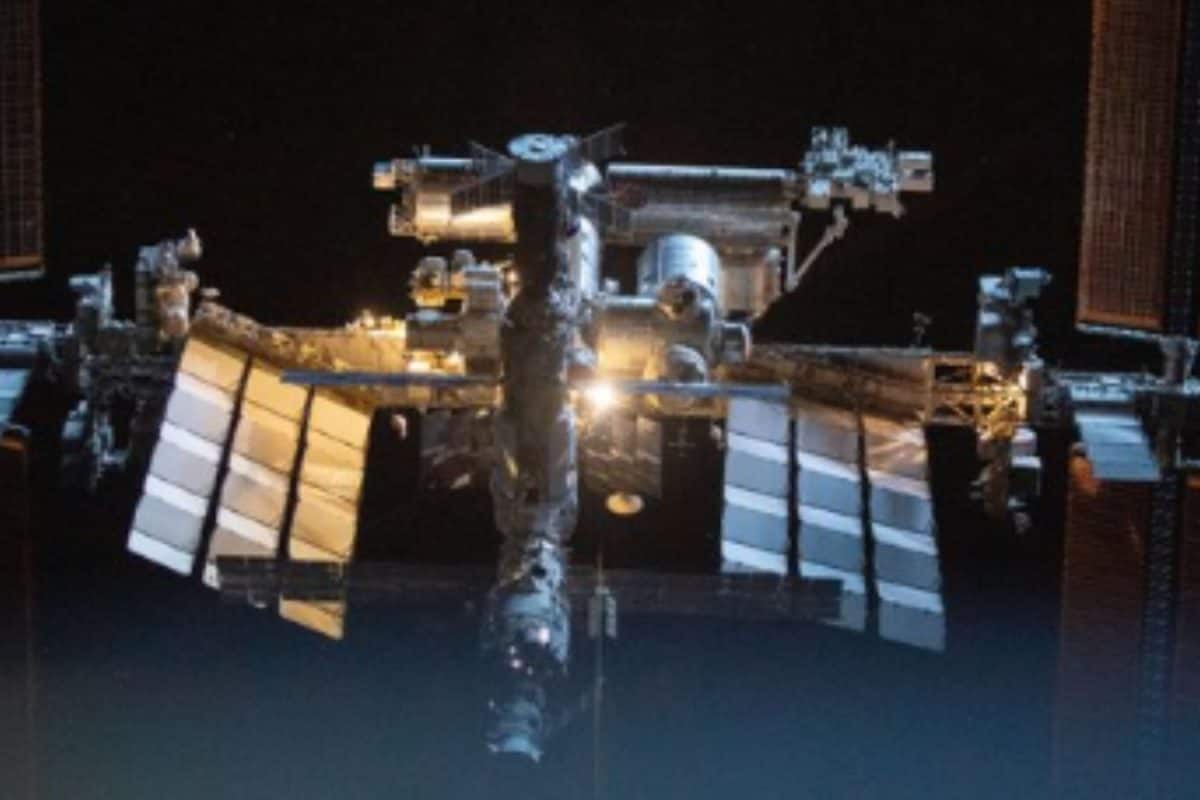
The ISS stands as a beacon of international collaboration. Launched in 1998, it is a joint project among five space agencies: NASA (USA), Roscosmos (Russia), JAXA (Japan), ESA (Europe), and CSA (Canada). As a permanently inhabited orbital laboratory, it's not just a hub of scientific research but also a cultural mosaic where traditions meet gravity-defying experiences.
Stationed 408 kilometers above Earth, the ISS travels at a staggering speed of approximately 28,000 kilometers per hour. This rapid orbit grants its crew a unique perspective of our planet's beauty and fragility. However, when it comes to time, astronauts adhere strictly to Coordinated Universal Time (UTC), ensuring seamless coordination among the diverse international teams operating the station.
Cultural Traditions in Zero Gravity
Celebrating the New Year in space involves more than merely witnessing nature's spectacular show. For years, astronauts have marked the occasion with special meals and cherished video calls with family members back on Earth. It's about bridging the distances between their lives and loved ones, even from the vast expanse of space.
Yet, the journey is not without its challenges. Living in an environment where time is perceived differently can be disorienting. Experts in space psychology emphasize the importance of maintaining a regular schedule to support mental health. Celebrations like New Year’s Eve bring a sense of normalcy, connecting astronauts to familiar rhythms and traditions.
"Celebrating the New Year up here is like sending love letters back home," one astronaut remarked during a live broadcast. "We look forward to it each orbit."
Expert Analysis: Balancing Work and Festivity
Experts suggest that maintaining such traditions is crucial for psychological well-being. Dr. Samantha Hayes, a space psychologist, notes, "Regular rituals, like celebrating New Year’s Eve, provide astronauts with continuity and a sense of identity that ground them, even when they're far from Earth."
On the technical front, coordinating these celebrations poses its own set of challenges. The ISS operates across numerous time zones, requiring meticulous planning and communication. Engineers and mission specialists ensure that any celebration does not interfere with the station's stringent operational schedule.
The Future of Space Celebrations
As private companies like SpaceX and Blue Origin increase their presence in space, the dynamics of celebrations aboard the ISS might evolve. Will future space tourists partake in such traditions, or will they forge new ones? What innovations might arise to enhance these cosmic festivities?
For now, the New Year's celebration on the ISS offers a fascinating glimpse into how humans adapt cultural practices to life beyond Earth. These moments remind us that, even in the vastness of space, our shared human experiences and traditions remain vital.
Conclusion
As we stand on the cusp of an era where space travel becomes more commonplace, the traditions carried by astronauts on the ISS are more than just a nod to life on Earth. They are a testament to human adaptability and the enduring spirit of celebration. Perhaps, in a not-so-distant future, we'll all be ringing in the New Year from the stars, inspired by those who pioneered these celestial customs.