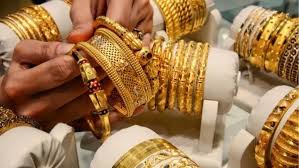
Gold Prices Rise: What It Means for Investors
Today, the gold price in India has nudged upwards, with 24k gold now priced at ₹13,991.61 per 10 grams, reflecting a modest increase of 0.07% from yesterday's rate. While the movement might seem slight at first glance, it comes at a critical juncture marked by global economic uncertainties and fluctuating currency valuations.
Market Overview
The Indian gold market has witnessed this minor uptick in prices primarily due to a mix of domestic and international factors. A slight increase in demand among Indian consumers, alongside strategic purchases by institutional investors, has added buoyancy to the market.
Furthermore, the anticipation of new fiscal policies in major global economies has prompted investors to hedge with gold, historically considered a safe haven during economic turbulence. This trend has supported the prices, driving the small yet significant rise observed today.
Global Context
Globally, uncertainties loom large, especially with fluctuating US dollar indices and crude oil prices. The USD/INR exchange rate exhibits volatility, with the dollar gaining marginal strength over the past few weeks. This often inversely impacts gold prices, but the current geopolitical tensions and economic anxieties are propping up gold demand as a counterbalance.
Crude oil, a significant driver of global economic sentiment, remains unpredictable, influencing inflationary expectations and, consequently, gold prices. These dynamics underscore the fragile balance that gold prices are navigating internationally.
Expert Analysis
Technical analysis suggests that gold prices are currently finding support around the ₹13,950 mark. A breach above ₹14,000 could signal a more bullish trend, inviting further investments. Despite the tepid movement today, market analysts are closely watching these levels.
Trends indicate that gold remains an attractive investment, especially given the persisting low-interest rates globally and inflationary pressures that may arise from geopolitical developments.
Furthermore, gold's resilience amid recent market volatilities hints at a strategic buying opportunity for long-term investors seeking to diversify their portfolios with precious metals as a hedge against potential economic downturns.
Silver Market Update
Contrasting the gold market, silver prices have seen a notable decline, dropping 3.62% to ₹2,191.33 per kg. This significant decrease can be attributed to oversupply concerns and reduced industrial demand, which has historically driven silver's price dynamics.
Investors should note silver's higher volatility compared to gold, which could offer buying opportunities should the market stabilize.
Impact on Buyers & Investors
For Indian buyers, today's gold price rise serves as a reminder of gold's enduring value, especially in times of economic uncertainty. It's crucial for retail buyers to consider their purchasing strategies, perhaps taking advantage of the current stability before any significant price movement.
For investors, the modest rise suggests maintaining or slightly increasing gold allocations in portfolios. The stability against a backdrop of global economic challenges underscores gold's role as a safe haven asset.
Outlook & Recommendations
Looking ahead, the gold price forecast remains cautiously optimistic. Investors should watch for geopolitical developments and fiscal policies that could further influence currency valuations and inflationary pressures, thereby affecting gold prices.
For those asking, "should I buy gold today?" the current environment suggests it could be prudent, particularly for those looking to hedge against broader market risks. Consider gradual accumulation rather than large, one-time purchases to average cost and mitigate risks.
Conclusion
In summary, today's gold market analysis highlights a marginal yet insightful upward movement in prices. As global uncertainties persist, gold continues to offer strategic value. Investors and buyers alike should remain vigilant, leveraging gold's stability to safeguard against future economic fluctuations.