Empowerment in Action: A Grassroots Revolution
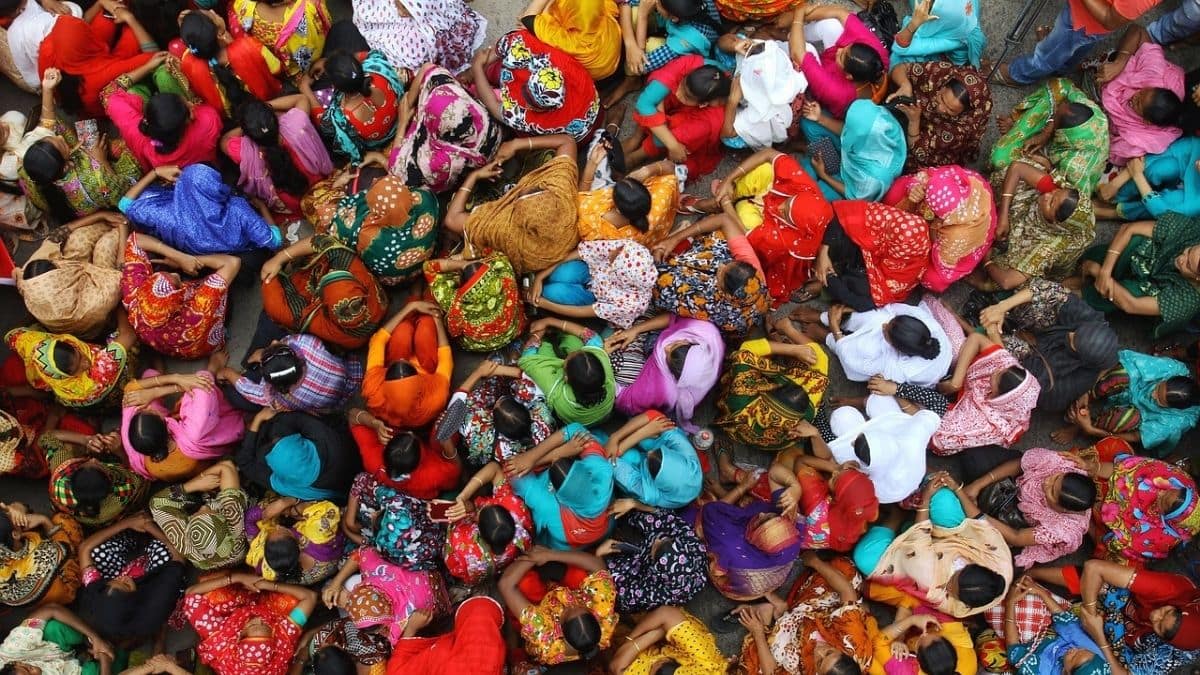
In the heart of India's vast rural landscape, a quiet revolution is taking root, led by women who are transforming their communities from the ground up. Through the collective power of self-help groups, these women are not just surviving systemic challenges—they're reshaping the economic fabric of their villages.
Picture a dusty village square in Maharashtra, where a vibrant market comes alive every Friday. Here, under makeshift canopies, women proudly display their homemade pickles, handwoven baskets, and organic produce, drawing customers not just from their village but from neighboring towns. This scene, replicated across India, is the result of an entrepreneurial spirit nurtured by self-help groups.
A New Chapter for Rural Entrepreneurship
India's self-help groups (SHGs) have been around since the 1980s, initially formed to provide micro-loans to women devoid of traditional banking access. Today, they have evolved into formidable engines of economic growth, empowering millions of women to step into the realm of entrepreneurship. According to the National Bank for Agriculture and Rural Development (NABARD), there are over 7 million SHGs in India, impacting over 100 million families.
The transformation is striking. Women who once grappled with debt and limited resources are now business owners and decision-makers. This shift is not just economic; it's cultural. As these women gain financial independence, they're also challenging long-standing societal norms that have traditionally restricted their roles.
From Microloans to Marketplaces
The ripple effects of these groups are profound. A recent visit to a self-help group in Tamil Nadu revealed how microloans, as small as $100, have been pivotal in enabling women to start small businesses. From selling homemade snacks to establishing digital storefronts, these initiatives have diversified incomes and bolstered local economies.
Take the story of Lakshmi, a farmer's wife who, with the help of her local SHG, ventured into organic farming. Her produce is now sought after in urban markets, and she's employed several other women, creating a self-sustaining economic ecosystem.
Challenges on the Path to Progress
While the successes are numerous, systemic challenges remain. Access to technology, limited market reach, and the ever-present shadow of patriarchal structures pose significant hurdles. However, the resilience of these women is unyielding.
"Every challenge is an opportunity," says Rekha Devi, a group leader in Uttar Pradesh. "Our strength lies in unity and the belief that we can change our circumstances."
Expert Insights: The Power of Collectives
Economist Dr. Anjali Mehta, who has extensively studied rural economies, believes that SHGs are pivotal in bridging the urban-rural economic divide. "These groups not only enhance livelihood but also empower women to become catalysts for change within their communities," she notes.
The Road Ahead: Scaling Heights
The future of women-led SHGs in India is promising. With increased governmental support and digital integration, these groups are poised to further expand their impact. National initiatives like the 'Deendayal Antyodaya Yojana' are crucial in providing the infrastructure and training needed to propel these groups to new heights.
For the women leading this charge, the journey is far from over. As they continue to challenge the norms and pave the way for future generations, their stories stand as a testament to the transformative power of collective action.
Conclusion: A Legacy of Change
As India strides towards a more inclusive future, the tales of these women-led self-help groups serve as a beacon of hope and inspiration. They are not just redefining rural entrepreneurship; they are crafting a legacy of resilience, unity, and change.