India's New Path to Rural Prosperity: A Leap Forward?
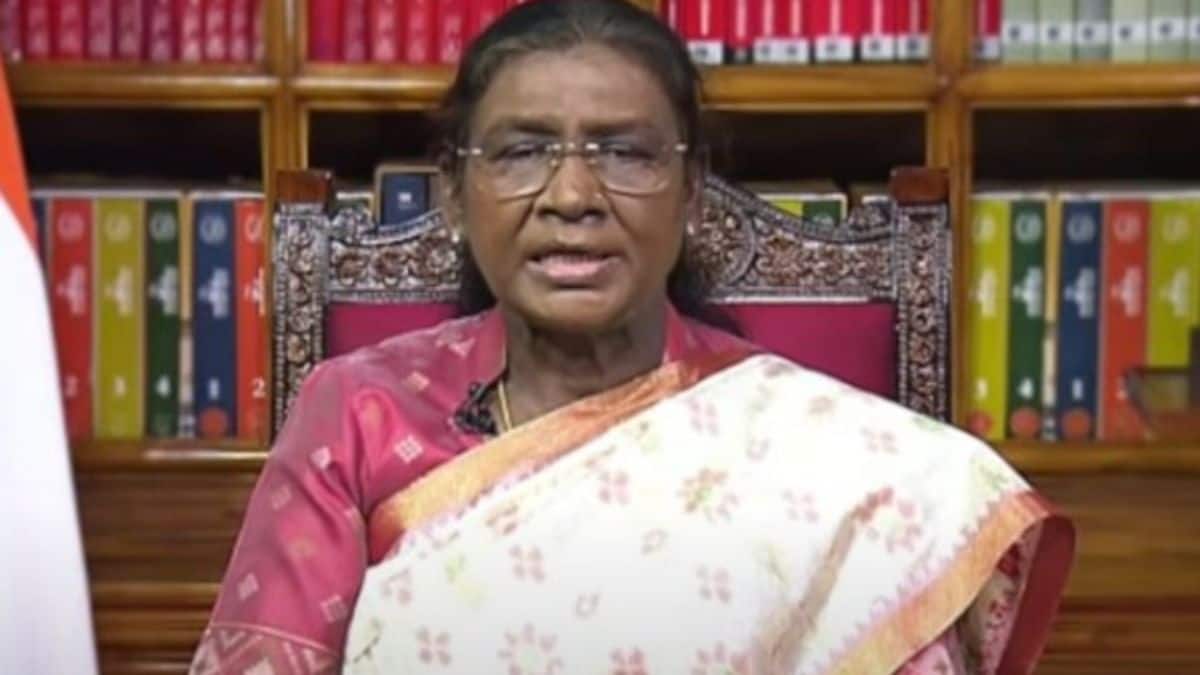
In a move set to redefine the landscape of rural employment in India, President Droupadi Murmu has given her assent to the Viksit Bharat — Guarantee for Rozgar and Ajeevika Mission (Gramin) Act, or VB-G RAM G. This new legislation, poised to replace the well-established Mahatma Gandhi National Rural Employment Guarantee Act (MGNREGA), promises to extend the statutory wage employment guarantee from 100 to 125 days per financial year for rural households.
From MGNREGA to VB-G RAM G: An Evolving Strategy
Launched in 2005, MGNREGA has long been a cornerstone of India's rural development policy, ensuring at least 100 days of wage employment to willing rural households. The introduction of VB-G RAM G marks a significant shift aimed at ramping up rural employment amidst evolving economic challenges. With its assurance of additional workdays, the new act seeks to bolster economic security and address rampant unemployment in the countryside.
Yet, this transition isn't merely about numbers. The move has ignited debates nationwide, with experts pondering the broader economic implications and fiscal sustainability of the new scheme. As India grapples with post-pandemic recovery, the stakes for rural development have never been higher.
Navigating the New Employment Landscape
The VB-G RAM G Act stands out not just for its ambitious aim to increase employment days but for its potential to reshape rural livelihoods. Rural households, the backbone of India's agrarian economy, are expected to benefit significantly from this enhanced employment guarantee, potentially lifting millions out of poverty.
"This new act is more than just an employment scheme; it's a lifeline for rural families struggling to make ends meet," says Anjali Mehta, a rural development expert.
However, implementing such a vast program isn't without its challenges. Concerns about the financial burden on the government and the efficiency of resource allocation loom large. Are these additional days of employment sustainable? And more crucially, will they translate into meaningful work that uplifts rural communities?
Expert Perspectives: Analyzing the Impact
Experts are cautiously optimistic. "Increasing employment days is a step in the right direction," notes economist Rajiv Kaul. "But it's essential that the additional workdays lead to productive employment. Otherwise, it could strain fiscal resources without yielding the desired economic benefits."
Some analysts suggest this move aligns with broader economic reforms aimed at integrating rural economies into national development strategies. It's a bold statement reflecting India's commitment to fostering inclusive growth, even as it raises questions about the readiness of existing infrastructure to shoulder this expanded role.
Looking Ahead: A New Dawn or Unseen Challenges?
As VB-G RAM G unfolds, the focus will inevitably shift to its implementation and impact on rural communities. Will this new initiative successfully mitigate unemployment and spur rural prosperity, or will it encounter hurdles akin to those faced by its predecessor?
The political landscape surrounding this legislative change is equally dynamic. Reactions from opposition parties, development experts, and media outlets highlight the intense interest and scrutiny this move commands. Yet, amidst the chatter, one thing is clear: the future of India's rural employment strategy is being rewritten, and its outcome will resonate across the socio-economic spectrum.
In conclusion, VB-G RAM G is more than a policy shift—it's a beacon of hope for millions. As India embarks on this ambitious journey, the world watches closely, eager to see if this new chapter will truly transform the lives of its rural citizens.