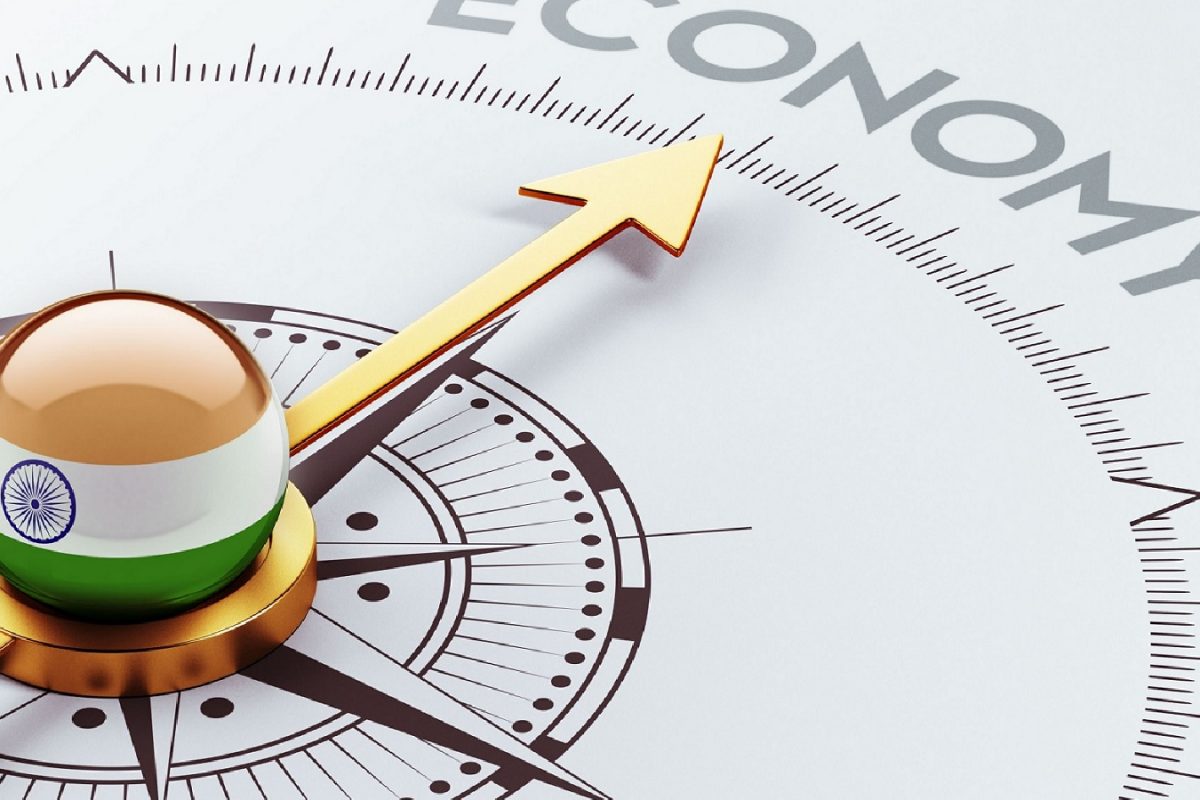
India is rapidly climbing the economic ladder, having recently become the fourth-largest economy in the world. With a GDP of $4.18 trillion, India has managed to surpass Japan, solidifying its position as a formidable player on the global stage. The natural question on everyone's mind is: when will India overtake Germany to become the world's third-largest economy?
The journey to the top is fueled by a blend of ambitious reforms, a burgeoning workforce, and a thriving tech industry. India's government has been keen on implementing policies that foster economic growth, aiming to create a conducive environment for businesses to flourish. Additionally, the country's youthful demographic is a significant asset, providing a robust labor force that drives innovation and consumption.
While Germany's $5 trillion economy currently stands in India's way, analysts predict that it's only a matter of time before India surpasses it. The momentum behind India's expansion is strong, with sectors like technology, manufacturing, and services playing pivotal roles. As India continues on this trajectory, the focus will be on sustaining growth rates to ensure the leap into the top three.
The world is watching as India inches closer to this milestone. For both local and international stakeholders, understanding India's rise offers valuable insights into the shifting dynamics of the global economy. This shift not only highlights India's potential but also its readiness to take on more significant roles in international economic affairs.