Gold Prices Nearly Doubled from 2024 to 2026: Why Indian Buyers Are Rethinking Gold Purchases
By Satyapal Khakhal, Financial Writer | Updated: May 5, 2026
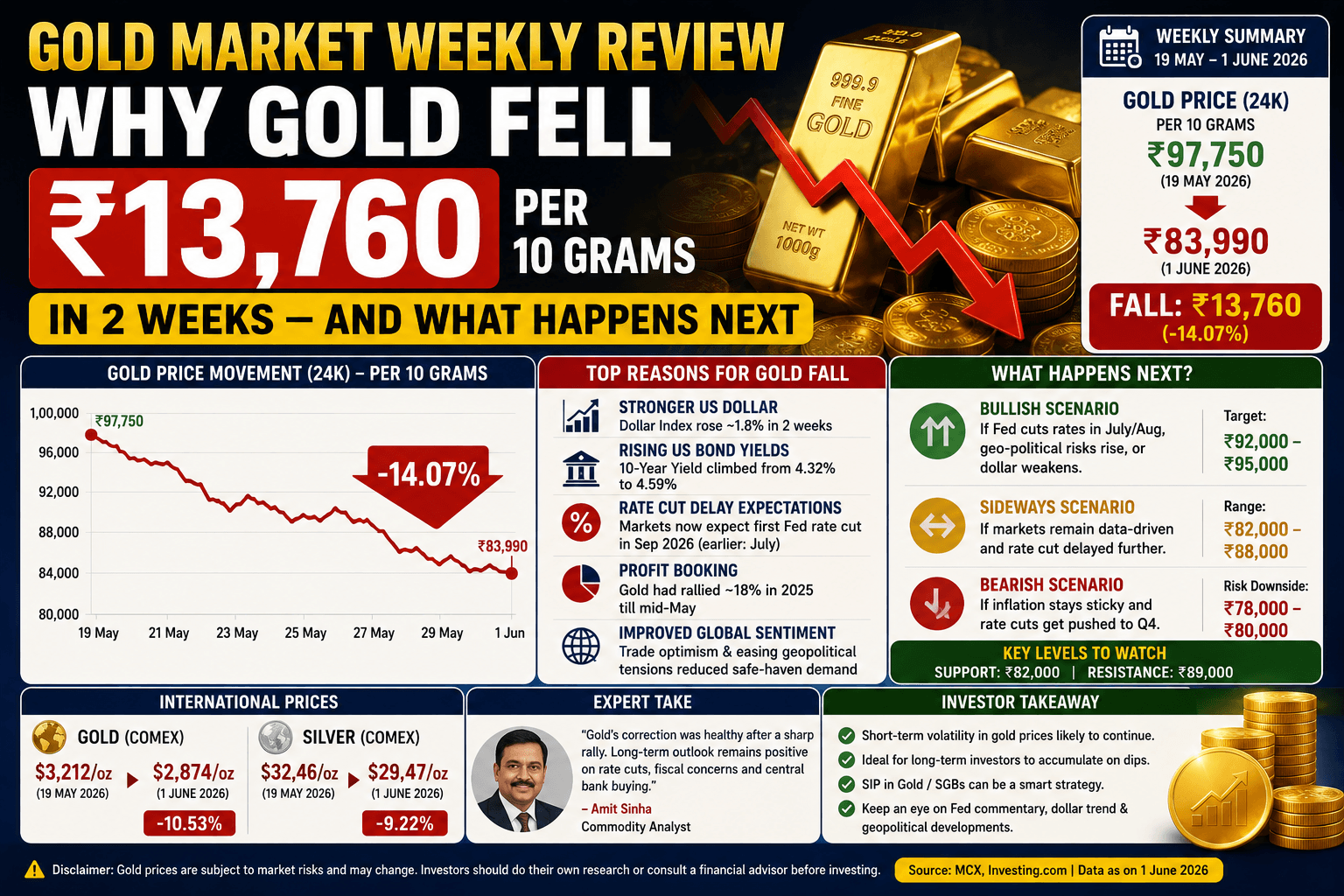
If you bought gold in early 2024, your investment has nearly doubled in value. Gold prices in India have surged from approximately ₹6,500–₹7,000 per gram in January 2024 to over ₹15,000 per gram in early 2026 — one of the sharpest two-year rallies in the domestic gold market in recent memory. For investors, this has been a windfall. For buyers purchasing gold for weddings, gifting, or everyday jewellery, it has created a difficult new reality: the same quantity of gold that cost ₹5 lakh two years ago now costs close to ₹10 lakh.
This article examines what drove this price surge, how it is changing gold-buying behaviour across Indian households, and what buyers and investors should consider before making a purchase in the current market.
Current Gold Prices in India (May 2026)
As of early May 2026, gold is trading at the following indicative rates in the Indian market, sourced from MCX and IBJA data:
| Gold Purity | Price per Gram | Price per 10 Grams |
|---|---|---|
| 24K (999 pure) | ₹15,370 | ₹1,53,700 |
| 22K (916 hallmark) | ₹14,089 | ₹1,40,890 |
| 18K (750 hallmark) | ₹11,527 | ₹1,15,270 |
Prices are indicative and vary by city and jeweller. Check our live gold rate page for real-time updates.
For context, 24K gold was trading at roughly ₹6,800 per gram in January 2024. The move to ₹15,370 represents an increase of approximately 126% in just over two years — significantly outperforming equities, fixed deposits, and most other asset classes in the same period.
What Caused Gold Prices to Nearly Double?
The surge in gold prices between 2024 and 2026 was not driven by a single event but by a combination of sustained global and domestic pressures that reinforced each other over time.
Geopolitical tensions and safe-haven demand: Ongoing conflicts in West Asia and prolonged uncertainty over global trade relationships pushed institutional and retail investors worldwide toward gold as a safe-haven asset. When uncertainty rises, gold typically benefits because it holds value independent of any government or central bank. This demand surge from global investors drove international gold prices to record highs, which fed directly into Indian domestic prices.
US Federal Reserve policy and dollar movements: The path of US interest rates during 2024–2026 created repeated windows of dollar weakness. Since gold is priced globally in US dollars, a weaker dollar makes gold cheaper for international buyers, increasing demand and pushing prices higher. Each time the Fed signalled a rate cut or a pause, gold rallied strongly.
Central bank buying: Central banks globally, including the Reserve Bank of India, continued to accumulate gold reserves at record levels in 2024 and 2025. This institutional demand created a consistent floor under prices and signalled long-term confidence in gold as a reserve asset — which in turn encouraged retail investors to follow suit.
Rupee depreciation: Even when international gold prices stabilised briefly, Indian buyers faced higher domestic prices because of the rupee's gradual depreciation against the dollar. A weaker rupee means imported gold costs more in local currency terms, amplifying international price increases for Indian consumers. The rupee fell from approximately ₹83 per dollar in early 2024 to around ₹87–88 per dollar by mid-2026, adding several thousand rupees per 10 grams to domestic prices independently of global movements.
Retail and festive demand in India: India remains one of the world's two largest gold consumers, and domestic demand from weddings, festivals, and investment purchases remained robust throughout this period despite rising prices. Strong domestic demand meant that any global price increase was quickly absorbed into the Indian market rather than being buffered by weak local demand.
How the Price Surge Has Changed Gold Buying in India
The near-doubling of gold prices has fundamentally changed how Indian families approach gold purchases, particularly for weddings and festivals where gold has deep cultural and social significance.
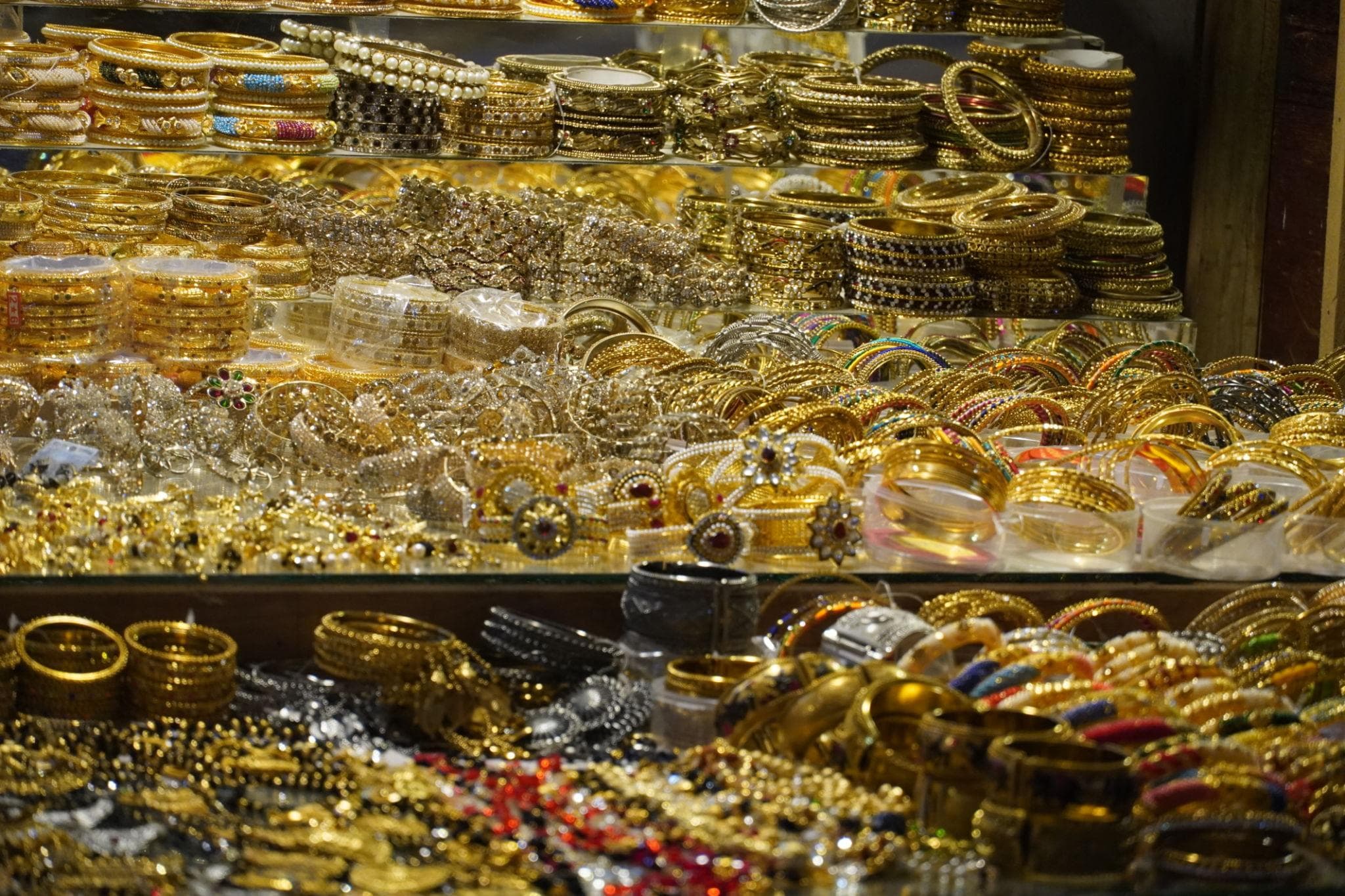
The most visible change is in quantity. Families that might have traditionally gifted 100–150 grams of gold jewellery at a wedding are now purchasing 50–70 grams for the same budget, or stretching their budgets significantly to maintain traditional quantities. Jewellers across major cities have reported a noticeable shift toward lightweight jewellery designs that offer visual impact at lower gold weight — intricate designs with less actual metal, hollow pieces, and kundan or polki styles that use less pure gold.
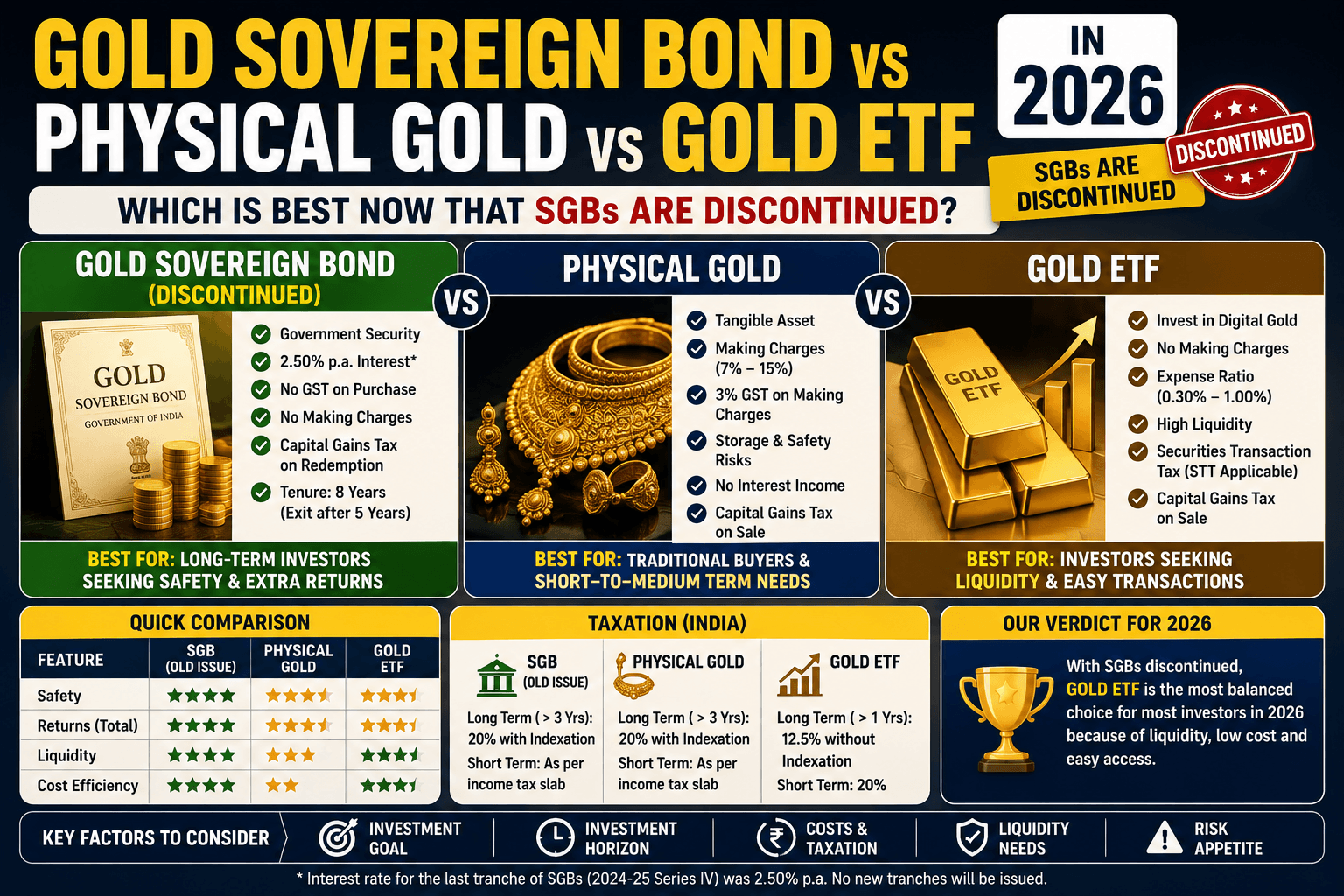
A second significant change is the growing acceptance of gold alternatives for investment purposes. Many first-time gold investors who missed the rally are now asking whether Sovereign Gold Bonds, digital gold, or gold ETFs make more sense than physical purchases at current prices. The answer depends on their purpose — for investment without physical need, paper gold options avoid making charges and storage costs, while physical gold remains preferred for gifting and personal use.
Purchase timing has also shifted. Rather than buying large quantities before a single wedding or festival, more families are now spreading purchases over months, buying small quantities when prices dip even marginally. This approach — sometimes called staggered buying or cost averaging — has become more common among middle-class buyers who can no longer absorb a large lump-sum gold purchase at current prices without significant financial strain.
Is Gold Still a Good Investment at These Prices?
This is the question most buyers are asking, and the honest answer is that it depends entirely on your time horizon and purpose.
For long-term investors with a five-to-ten year view, the structural drivers that pushed gold higher over the past two years — geopolitical instability, central bank demand, rupee depreciation, and inflation hedging — have not disappeared. Analysts at major Indian brokerages broadly expect gold to continue trending upward over the long term, though the pace of gains is unlikely to match the exceptional 2024–2026 rally. Buying at current prices for long-term wealth preservation remains a defensible strategy, particularly for investors who want a non-correlated asset in their portfolio.
For short-term buyers or those hoping to buy and sell within 12 months, current prices carry meaningful risk. After a 126% rally, even a 10–15% correction — which is entirely possible — would represent a loss of ₹15,000–₹22,000 per 10 grams. Short-term gold trading requires a much stronger view on near-term price direction than most retail investors can reliably form.
For buyers purchasing for weddings or festivals, the calculation is different again. If you have a specific need for physical gold in the next 3–6 months, trying to time the market precisely is very difficult and often counterproductive. A staged purchasing approach — buying one-third to one-half of your required quantity now and the rest over the next few months — reduces your exposure to short-term price swings while ensuring you have what you need when you need it.
Smart Ways to Buy Gold in India in 2026
Sovereign Gold Bonds (SGBs): The most tax-efficient gold investment available to Indian residents. SGBs pay 2.5% annual interest and offer complete capital gains tax exemption if held to maturity. They are issued periodically by the Reserve Bank of India. The main limitation is that you cannot convert them to physical gold, so they are suitable for investment purposes only, not for jewellery needs.
Gold ETFs and Mutual Funds: Listed on stock exchanges, gold ETFs track domestic gold prices and can be bought and sold like shares. They carry no making charges and have very low expense ratios. Suitable for investors who are comfortable with a demat account and want liquid exposure to gold prices.
Digital Gold: Available through apps like MMTC-PAMP, SafeGold, and major payment platforms, digital gold allows purchases starting from ₹1. It is backed by physical gold stored in secured vaults. Useful for systematic, small-amount investing but comes with storage charges after a certain period and is not regulated by SEBI, so it carries slightly more counterparty risk than ETFs or SGBs.
Physical Gold (Coins, Bars, Jewellery): Still the preferred choice for gifting, weddings, and buyers who want tangible assets. Always insist on BIS hallmarking, ask for a proper bill, and compare making charges across jewellers (standard range is 8–15% for plain designs). Avoid buying gold coins from unverified sources — coins from banks or certified dealers carry better purity guarantees.
Frequently Asked Questions
Will gold prices come down in 2026?
Short-term corrections of 3–8% are always possible after a strong rally, and some analysts expect brief consolidation periods in 2026. However, the broad consensus among commodity analysts is that the long-term uptrend in gold remains intact, supported by central bank buying, geopolitical demand, and rupee weakness. A major sustained fall back to 2024 levels would require a significant reversal of all these factors simultaneously, which most analysts consider unlikely in the near term.
Is it better to buy gold jewellery or digital gold for investment?
For pure investment purposes, digital gold, gold ETFs, or SGBs are more efficient than jewellery. Jewellery carries making charges of 8–25% that you cannot recover when selling, and resale typically happens at a discount to the prevailing gold rate. If your need is specifically for wearing or gifting, jewellery is the right choice. If your need is wealth preservation or capital appreciation, paper gold options offer better value.
How much gold should I hold in my investment portfolio?
Most financial planners in India recommend allocating 10–15% of your total investment portfolio to gold. This provides meaningful inflation protection and portfolio diversification without excessive concentration in a single asset. The specific percentage depends on your risk profile, existing asset allocation, and investment goals. Consult a SEBI-registered financial advisor for personalised guidance.
Conclusion
The near-doubling of gold prices from 2024 to 2026 reflects a confluence of powerful global and domestic forces — geopolitical uncertainty, central bank demand, rupee depreciation, and sustained retail buying in India. For existing gold holders, it has been an exceptional period of wealth creation. For new buyers, it presents a more complex decision that requires clarity on purpose, time horizon, and buying method.
The most important lesson from this rally is that waiting for the "perfect" entry price has historically been less effective than buying gradually over time. Investors and buyers who adopted a disciplined, staggered approach throughout 2024 and 2025 fared better than those who waited on the sidelines for a correction that, in many cases, never arrived at the levels they were hoping for.
Track the latest prices before your next purchase: Live Gold Rate Today | Gold vs Silver: Which Should You Buy?
Disclaimer: This article is for informational and educational purposes only and does not constitute financial or investment advice. Gold prices are subject to market risk and may rise or fall. Past performance is not indicative of future returns. Please consult a SEBI-registered financial advisor before making any investment decisions.