HSBC TravelOne Credit Card Review (2026): Benefits, Fees, Eligibility & Honest Verdict
By Satyapal Khakhal, Personal Finance Writer | Last Updated: May 2026
Satyapal Khakhal covers credit cards, personal finance, and investment products for Indian consumers. This review is based on publicly available card features from HSBC India, independent cardholder reports, and comparison data from Paisabazaar, CardInsider, and CardExpert as of May 2026.
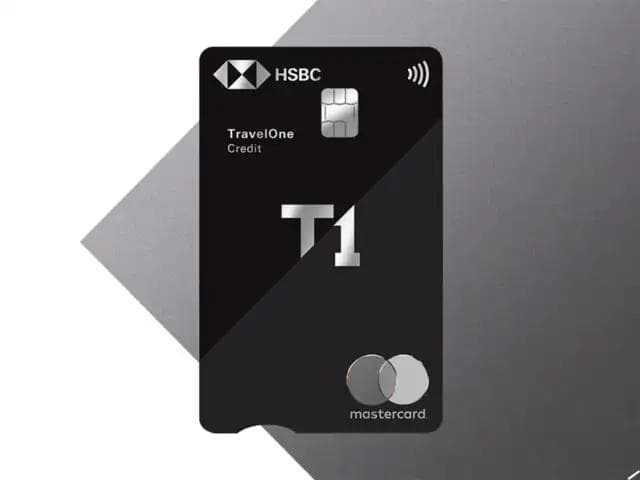
Until mid-2025, if someone asked which travel credit card offered the most flexibility for earning and transferring airline miles in India, the answer was almost always the Axis Atlas. That card is no longer being issued to new applicants. The landscape has shifted — and the HSBC TravelOne has quietly moved into that vacancy, offering 20 transfer partners at largely 1:1 ratios, instant app-based point conversions, and a fee bracket of ₹4,999 that puts it within reach of a wider audience than most premium travel cards.
This is not a press release. This review covers what the card actually delivers, where it falls short, and whether it makes financial sense for your specific spending pattern — including the one significant weakness that most reviews gloss over.
Quick Overview: HSBC TravelOne Credit Card at a Glance
| Feature | Details |
|---|---|
| Card network | Mastercard World |
| Joining fee | ₹4,999 + GST |
| Annual renewal fee | ₹4,999 + GST (waived on ₹8 lakh annual spend) |
| Reward rate (travel/forex) | 4 points per ₹100 (~4%) |
| Reward rate (HSBC portal) | 12x on hotels, 6x on flights via HSBC Rewards Marketplace |
| Reward rate (all other spends) | 2 points per ₹100 (no cap) |
| Transfer partners | 20 (15 airlines + 5 hotels), mostly 1:1 |
| Lounge access | 10 visits/year: 6 domestic + 4 international (LoungeKey) |
| Chauffeur transfers | 4 complimentary per year (new for 2026) |
| Forex markup | 3.5% + GST |
| Best suited for | Frequent travellers, airmiles collectors, high spenders |
Welcome Benefits: What You Get When You Apply
The HSBC TravelOne welcome benefits have changed from 2025 to 2026, and it is important to note what is currently on offer rather than what older reviews describe. As of 2026, new cardholders receive a cashback credit of ₹1,000 plus a Postcard Hotels voucher on meeting initial spend requirements. The 3,000 bonus welcome points that were offered previously have been discontinued from January 1, 2026 — so if you read a review referencing those, the information is outdated.
The welcome benefits are modest for a ₹4,999 card, but they are not the reason to apply for this card. The ongoing value proposition is in the reward earning and transfer ecosystem, not the joining incentive.
Reward Structure: Where This Card Genuinely Stands Out
The HSBC TravelOne's earning structure has three distinct tiers, and understanding all three is essential to calculating whether this card works for your spending pattern.
Tier 1 — HSBC Rewards Marketplace (highest returns): When you book hotels and flights directly through the HSBC Rewards Marketplace portal, you earn 12 reward points per ₹100 on hotel bookings and 6 reward points per ₹100 on flight bookings. At a 1:1 transfer ratio to most airline partners, this translates to 12 miles per ₹100 on hotels and 6 miles per ₹100 on flights booked through the portal — exceptionally strong earning rates for a card in this fee bracket. Additionally, HSBC offers up to 12% rewards on travel bookings made through this portal, along with periodic discount offers via Yatra, EaseMyTrip, Cleartrip, PayTM, and StayVista Hotels.
Tier 2 — Travel and international spends (strong returns): For flights, hotels, and travel platforms booked outside the HSBC portal, and for all international transactions, the card earns 4 reward points per ₹100. This is equivalent to approximately 4% in miles at the 1:1 transfer ratio. There is a cap of 50,000 accelerated points per year on this category, so very heavy travel spenders will eventually hit the ceiling, but for most cardholders spending ₹3–5 lakh annually on travel, this cap is unlikely to bind.
Tier 3 — All other eligible spends (base returns): Everyday spending earns 2 reward points per ₹100 with no annual cap. This base rate of 2% is competitive for a travel card — most cards in this fee bracket offer 1–1.5% on non-travel spends.
The one thing that undermines the forex earning rate is the 3.5% forex markup. On international spends, you earn 4 points per ₹100 (worth approximately ₹1.6 in miles value at typical redemption rates), but you simultaneously pay 3.5% in markup charges plus GST. The net return on international transactions is therefore negative from a pure cost perspective. This is a genuine weakness for a card that markets itself as travel-focused, and it is addressed in more detail in the verdict section below.
The 20 Transfer Partners: Why This Is the Card's Biggest Strength
The defining feature of the HSBC TravelOne — the one that no competing card in the ₹5,000 fee bracket can match — is the breadth and quality of its transfer partner network. The card currently supports transfers to 15 airline programs and 5 hotel programs, all executed instantly through the HSBC mobile app with no transfer fees.
The airline transfer partners include Air Canada Aeroplan, Air France-KLM Flying Blue, British Airways Executive Club, Etihad Guest, EVA Air Infinity MileageLands, Hainan Airlines Fortune Wings Club, Japan Airlines Mileage Bank, Qantas Frequent Flyer, Thai Airways Royal Orchid Plus, Turkish Airlines Miles&Smiles, United Airlines MileagePlus, Vietnam Airlines Lotusmiles, and Air India Flying Returns, among others. The hotel transfer partners include IHG One Rewards, Marriott Bonvoy, and Wyndham Rewards.
The transfer ratio to most partners is 1:1, meaning 1 HSBC reward point converts to 1 airline mile or hotel point. This is significant because some competing cards offer inferior transfer ratios of 2:1 or 5:1, which dramatically reduce the effective value of your points. The instant transfer feature — executed through the HSBC app rather than requiring a manual request — is also genuinely useful for last-minute award redemptions.
For context on why this matters: a British Airways Avios redemption for a Mumbai-London return in business class can require approximately 150,000–200,000 Avios. At 4 HSBC points per ₹100 on travel spends, a cardholder spending ₹5 lakh annually on travel earns 20,000 points, which converts to 20,000 Avios. Combined with base spending of ₹5 lakh earning 10,000 points, a cardholder spending ₹10 lakh annually could accumulate 30,000+ Avios per year — meaningful progress toward premium cabin awards within 5–6 years of consistent spending.
Lounge Access: 10 Visits Across Domestic and International Airports
The HSBC TravelOne provides 10 complimentary lounge visits per year, split between 6 domestic visits and 4 international visits. The domestic lounge access covers 50+ lounges across India through the HSBC TravelOne Lounge Program, including access at major airports in Mumbai, Delhi, Bengaluru, Chennai, Hyderabad, Kolkata, Pune, and others. Participating lounges include Loyalty Lounge, Adani Lounge, Earth Lounge, Travel Club Lounge, Encalm Lounge, and Bird Lounge, among others.
International lounge access is provided through LoungeKey, which covers over 1,000 lounges worldwide. The 4 international visits per year is on the lower side compared to premium cards, but given the ₹4,999 fee, it is reasonable. One important operational note: there is no spend-based requirement to unlock lounge access — visits are available from the first month of card activation, which is notable for a card in this fee bracket where some issuers restrict lounge access until a minimum quarterly spend is met.
Guest access is not included — you pay for guests separately. This is a limitation worth noting for cardholders who regularly travel with family.
2026 Exclusive: Complimentary Chauffeur Airport Transfers
A new benefit added specifically for 2026 is 4 complimentary chauffeur-driven airport transfers per year at domestic airports, provided by Ecos Mobility (maximum 1 transfer per quarter). Airport transfers from home to terminal typically cost ₹800–₹1,500 in major metros. At 4 transfers per year, this benefit alone is worth ₹3,200–₹6,000 annually — offsetting a significant portion of the ₹4,999 annual fee for cardholders who use it consistently.
Additional Benefits Worth Knowing About
Beyond the headline features, the HSBC TravelOne includes several secondary benefits that add meaningful value for the right user. Buy-one-get-one movie tickets (₹200 off per ticket) are available through the District App. A 20% discount on duty-free purchases is available via the AdaniOne app or website, which is useful for international travellers. Purchase protection of USD 20,000 per year covers eligible items bought on the card against accidental damage or theft. Dining offers including discounts at select restaurants round out the lifestyle benefits.
Fees, Charges, and the Fine Print
| Charge Type | Amount |
|---|---|
| Joining fee | ₹4,999 + GST |
| Annual renewal fee | ₹4,999 + GST (waived on ₹8 lakh annual spend) |
| Forex markup fee | 3.5% + GST on international transactions |
| Interest rate (revolving credit) | 3.49% per month (41.88% annualised) |
| Late payment fee | Up to ₹1,300 (varies by outstanding balance) |
| Cash advance fee | 2.5% of amount withdrawn (minimum ₹300) |
| Add-on card fee | ₹0 (free) |
The annual fee waiver at ₹8 lakh spend is achievable for the target audience of this card — someone spending ₹67,000 per month across travel and everyday purchases. However, it requires discipline and tracking, and excludes categories that do not earn rewards (fuel, rent, utilities, insurance, education, government payments, wallet loads). Most of these excluded categories still count toward the ₹8 lakh fee waiver threshold even though they do not earn points — an important distinction that many reviews miss.
Zero Reward Categories: Read This Before Applying
The exclusion list for reward earning on the HSBC TravelOne is extensive and is one of the most important factors to evaluate before applying. The card earns zero reward points on fuel purchases, utility bill payments, rental payments, insurance premiums, educational institution fees, government and tax payments, gold and jewellery purchases, e-wallet loads, money transfers, cash advances, and card fees and charges.
For a typical Indian household, rent, utilities, insurance, and fuel can represent 30–50% of monthly spending. If your spending is concentrated in these categories, the effective reward earning rate on this card will be significantly lower than the advertised 2–4%, and the ₹4,999 fee becomes harder to justify. Before applying, calculate what percentage of your monthly spend falls outside the exclusion list — that is the spend on which you will actually earn rewards.
Eligibility Criteria
HSBC's eligibility requirements for the TravelOne card are more specific than most issuers, and it is worth reviewing them carefully before applying to avoid an unnecessary hard inquiry on your credit report.
The minimum age requirement is 18 years, with an upper limit of 65 years for primary cardholders. The minimum annual income is not publicly specified but is generally understood to be in the range of ₹6 lakh per annum based on reported approvals. The card is available in 14 cities: Delhi NCR, Mumbai, Bengaluru, Chennai, Pune, Hyderabad, Kolkata, Ahmedabad, Jaipur, Kochi, Coimbatore, Chandigarh, Indore, and Lucknow. If you do not reside in one of these cities, you are not eligible regardless of income or credit score. HSBC also typically requires a clean credit history with no recent defaults or high credit utilisation.
HSBC TravelOne vs Axis Atlas vs HDFC Regalia Gold: How Does It Compare?
| Feature | HSBC TravelOne | Axis Atlas (closed to new) | HDFC Regalia Gold |
|---|---|---|---|
| Annual fee | ₹4,999 | ₹5,000 | ₹2,500 |
| Travel earn rate | 4 pts/₹100 (4%) | 5 EDGE Miles/₹100 | 4 pts/₹150 (~2.7%) |
| Transfer partners | 20 (15 airlines, 5 hotels) | ~14 partners | Limited |
| Transfer ratio | Mostly 1:1 | Mostly 1:1 | Varies (often 1:0.5) |
| Lounge visits/year | 10 (6 domestic, 4 intl) | 8 | 12 domestic |
| Forex markup | 3.5% | 3.5% | 2% |
| New applicants accepted | Yes | No | Yes |
| Chauffeur transfers | 4/year (new 2026) | None | None |
With Axis Atlas no longer accepting new applicants, the HSBC TravelOne is the most direct replacement for anyone who valued Atlas's multi-partner transfer flexibility. The HDFC Regalia Gold is a reasonable alternative for lower spenders who prioritise lounge access over airmiles transfers, and its 2% forex markup makes it more cost-effective for international spends — but it lacks the transfer partner breadth that makes TravelOne compelling for serious airmiles collectors.
Who Should Get This Card?
The HSBC TravelOne is genuinely well-suited for a specific type of cardholder: someone who travels 6–12 times per year domestically or internationally, has a working knowledge of airline loyalty programs, and spends ₹6–10 lakh annually on categories that earn rewards. If you already collect miles in programs like British Airways Avios, Air India Flying Returns, or Marriott Bonvoy and want a primary card that feeds those ecosystems with 1:1 transfers and no caps, this is currently the best option available in India at the ₹5,000 fee bracket.
The annual fee waiver threshold of ₹8 lakh is achievable for this profile — ₹67,000 per month including travel, dining, and everyday purchases puts you above the waiver bar, effectively making the card free in year two and beyond while delivering lounge access, chauffeur transfers, and miles accumulation.
Who Should Avoid This Card?
The card is a poor fit for several common profiles. If you are a first-time credit card user or someone new to points-and-miles systems, the complexity of managing 20 transfer partners, understanding redemption ratios, and tracking the reward exclusion list makes this card more work than it is worth — a simple cashback card would serve you better. If you spend heavily on international transactions, the 3.5% forex markup wipes out the benefit of accelerated earning on those spends — consider the HSBC Premier card (0.99% forex) or a dedicated forex card instead. If your household spending is concentrated in rent, utilities, and insurance — the excluded categories — your effective earn rate will be low and the fee will be hard to justify.
The Honest Verdict
The HSBC TravelOne is the best flexible airmiles card available to new applicants in India in 2026. That is not faint praise — it is a specific, meaningful claim in a landscape where Axis Atlas has closed its doors and most alternatives either lock you into a single ecosystem or offer inferior transfer ratios.
The 20 transfer partners at 1:1 ratios, the instant app-based conversions, the new chauffeur transfer benefit, and the competitive base earning rate of 2% make this card a genuine tool for building meaningful frequent flyer balances. The ₹4,999 fee is fair for what is delivered.
The one real weakness — the 3.5% forex markup — is significant and should not be glossed over. For a card that is positioned for travellers, charging 3.5% on international transactions is inconsistent with that positioning. If more than 30–40% of your spend happens abroad, pair this card with a zero-markup option like Niyo Global or HDFC Premier for international use, and use the TravelOne primarily for domestic travel bookings and everyday Indian spends.
Rating: 4.1/5
Best for: Airmiles collectors, frequent domestic/international travellers, Axis Atlas replacers
Not for: Beginners, heavy international spenders, households with high excluded-category spend
Frequently Asked Questions
Is the HSBC TravelOne annual fee waived?
Yes. The ₹4,999 annual fee is waived if you spend ₹8 lakh or more in the preceding 12 months. Note that excluded categories (fuel, rent, utilities, insurance, etc.) do not earn reward points but most of them do count toward the ₹8 lakh fee waiver threshold. Verify the current waiver terms with HSBC directly as these can change.
How many lounge visits does the HSBC TravelOne provide?
The card provides 10 complimentary lounge visits per year — 6 domestic visits through the HSBC TravelOne Lounge Program covering 50+ lounges in India, and 4 international visits through LoungeKey covering 1,000+ lounges globally. There is no minimum spend required to activate the lounge benefit.
What are the airline transfer partners for HSBC TravelOne?
As of 2026, the card supports 15 airline transfer partners including British Airways, Air France-KLM, Etihad, Qatar Airways, Air India, United Airlines, Turkish Airlines, Qantas, Japan Airlines, and others. Most transfers are at a 1:1 ratio and are executed instantly through the HSBC mobile app. Always verify the current partner list on the HSBC India website as partners can be added or removed.
Is the HSBC TravelOne good for international spending?
Not primarily. The card earns 4 reward points per ₹100 on international spends, but the 3.5% forex markup plus GST significantly exceeds the reward value. The net return on international transactions is effectively negative from a cost perspective. For heavy international spending, a dedicated zero-markup forex card is a better option alongside this card.
What is the minimum income to apply for the HSBC TravelOne?
HSBC does not publish a specific income threshold, but reported approvals suggest a minimum annual income of approximately ₹6 lakh for salaried applicants. The card is available in 14 cities only. Approval also depends on credit history and existing debt obligations.
How does HSBC TravelOne compare to HDFC Regalia Gold?
The TravelOne has stronger transfer partner flexibility (20 partners vs limited options on Regalia Gold) and a better earn rate on travel spends. Regalia Gold has a lower forex markup (2% vs 3.5%) and a lower annual fee (₹2,500 vs ₹4,999). Choose TravelOne if airmiles flexibility matters; choose Regalia Gold if forex savings and lower fee are the priority.
Related reading: Best Credit Cards in India 2026 | Axis Atlas vs HDFC Infinia (2026)
Disclaimer: This review is for informational purposes only and does not constitute financial advice. Credit card features, fees, reward rates, and eligibility criteria are subject to change by HSBC at any time without prior notice. The information in this article is based on publicly available data as of May 2026. Please verify all current terms, conditions, and features directly on the official HSBC India website or by calling HSBC customer service before applying. gpaisa.in is not affiliated with HSBC and does not receive compensation for this review.