Communication Protocols in System Design: Push, Polling, Long Polling, WebSockets & SSE
In modern applications, communication between client and server is a key factor in performance, scalability, and user experience. Different communication strategies are used depending on whether data needs to be real-time or not.
In this article, we will deeply understand different communication protocols like Push, Pull (Polling), Long Polling, WebSockets, and Server-Sent Events (SSE).
1. Pull / Polling
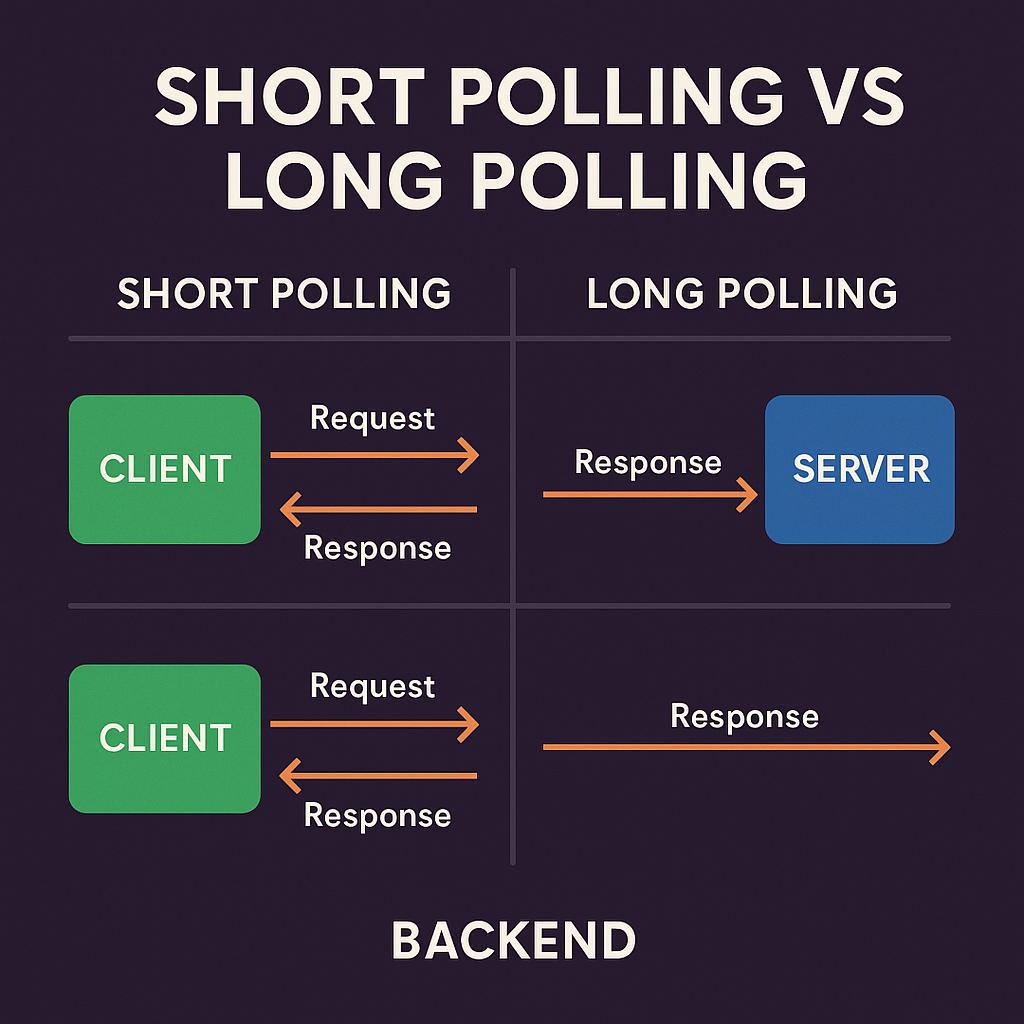
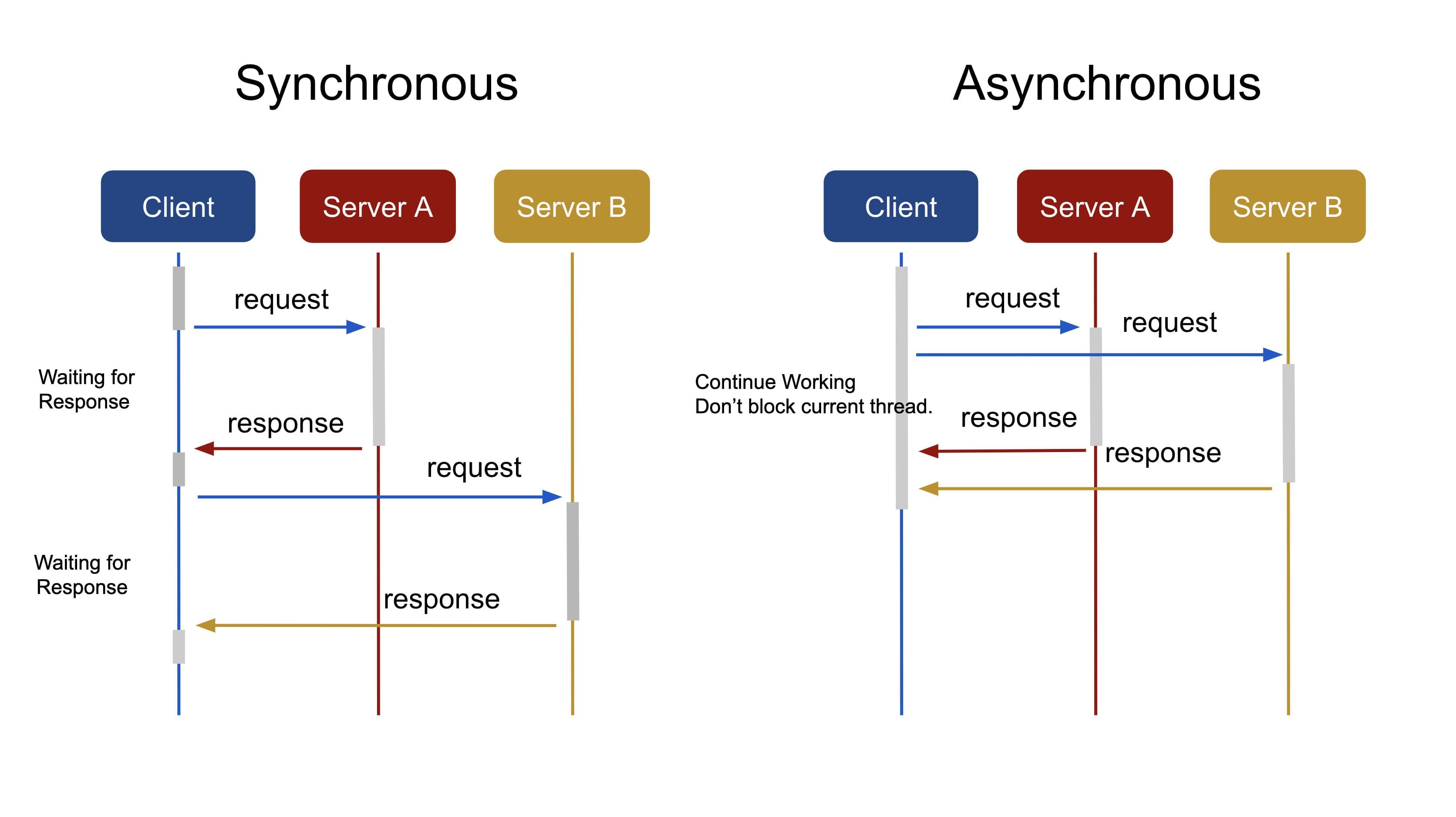
Polling is a communication technique where the client repeatedly asks the server for updates at regular intervals.
Example
setInterval(() => {
  fetch('/notifications');
}, 5000);
Here, the client requests data every 5 seconds whether new data exists or not.
Pros
- Simple to implement
- Works everywhere
Cons
- Wastes resources
- High latency
2. Long Polling
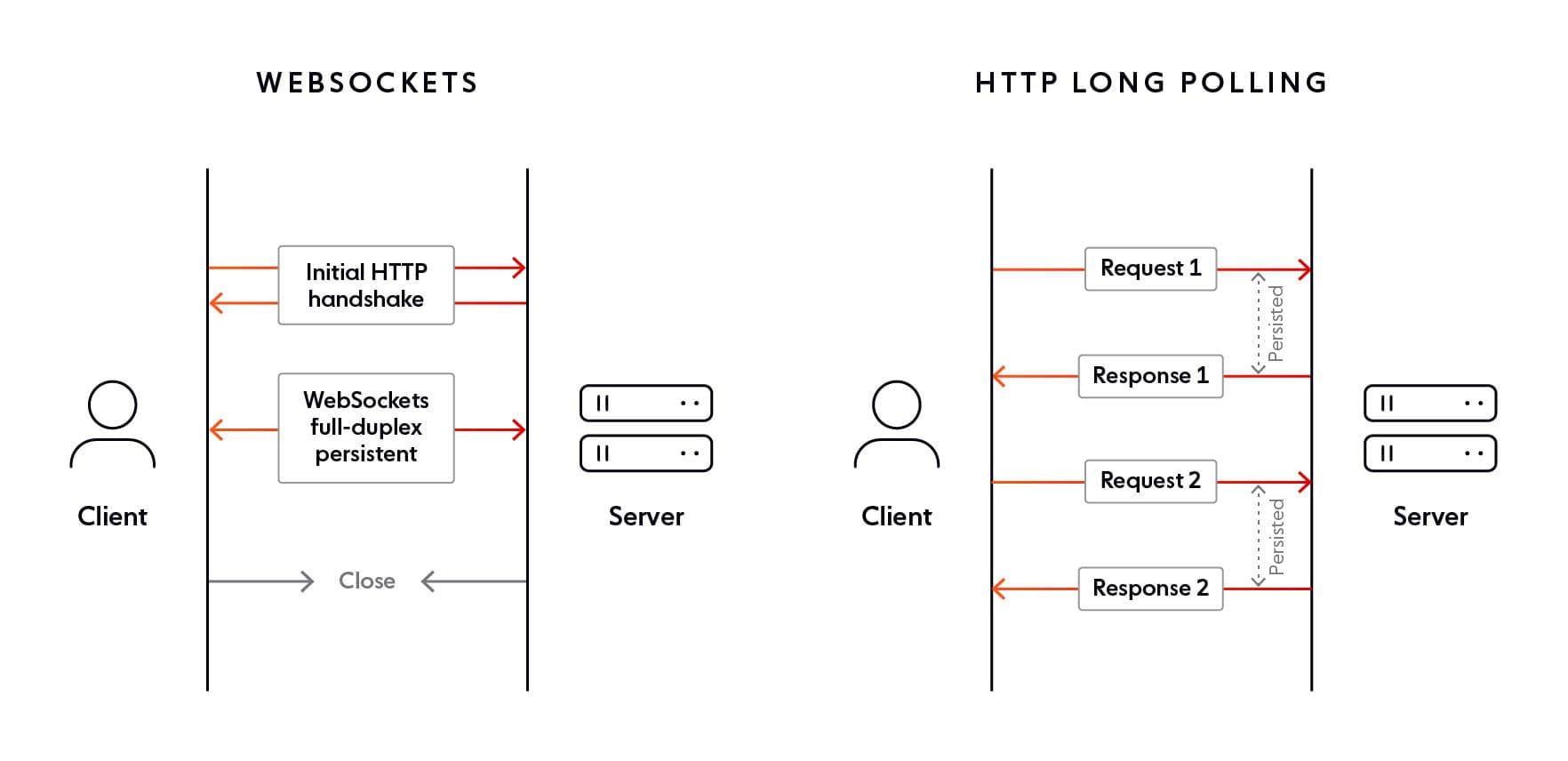
Long polling is an improved version of polling. The client sends a request, and the server holds the connection until new data is available.
Example Flow
Client → Request → Server waits → Data available → Response
Once the response is sent, the client immediately sends another request.
Pros
- Reduced unnecessary requests
- Closer to real-time
Cons
- Still HTTP overhead
- Connection management complexity
3. Push Communication
In push communication, the server sends data to the client without waiting for a request. This is ideal for real-time updates.
Example
- Push notifications
- Live sports updates
Pros
- Real-time communication
- No unnecessary requests
Cons
- Requires persistent connection
- More complex setup
4. WebSockets
WebSockets provide a full-duplex communication channel over a single TCP connection. Both client and server can send data anytime.
Example
const socket = new WebSocket("ws://example.com");

socket.onmessage = (event) => {
  console.log(event.data);
};
Pros
- True real-time communication
- Low latency
- Bidirectional
Cons
- Complex to scale
- Requires persistent connection
5. Server-Sent Events (SSE)
SSE allows the server to push updates to the client over HTTP. It is unidirectional (server → client).
Example
const eventSource = new EventSource('/events');

eventSource.onmessage = (event) => {
  console.log(event.data);
};
Pros
- Simple to implement
- Auto-reconnect support
Cons
- Only server → client
- Not fully bidirectional
Comparison Table
| Protocol | Real-time | Direction | Complexity |
|---|---|---|---|
| Polling | No | Client → Server | Low |
| Long Polling | Near real-time | Client → Server | Medium |
| WebSockets | Yes | Bidirectional | High |
| SSE | Yes | Server → Client | Medium |
Real-World Use Cases
- Polling: Simple dashboards
- Long Polling: Chat apps (older systems)
- WebSockets: WhatsApp, trading apps
- SSE: Notifications, live feeds
Final Thoughts
Choosing the right communication protocol depends on your use case. For simple systems, polling is enough. For real-time applications, WebSockets or SSE are better choices.
Modern applications often combine multiple communication strategies to balance performance and scalability.