Top AWS Services and Their Role in Modern Cloud Architecture
Cloud computing has transformed how applications are built and scaled, and Amazon Web Services (AWS) is one of the leading platforms powering this transformation. AWS provides a wide range of services that help developers build scalable, reliable, and cost-efficient systems.
In this article, we will explore the most important AWS services, their roles, and how they are used in real-world applications.
1. Amazon EC2 (Elastic Compute Cloud)
Amazon EC2 provides virtual servers in the cloud where you can run your applications. It is one of the core services of AWS and acts as the backbone for hosting applications.
- Used for running backend applications
- Supports auto scaling
- Pay-as-you-go pricing
Example: Hosting a Laravel or Node.js application on EC2.
2. Amazon S3 (Simple Storage Service)
Amazon S3 is an object storage service used to store files such as images, videos, documents, and backups.
- Highly scalable storage
- 99.999999999% durability
- Secure and reliable
Example: Storing user-uploaded images or application backups.
3. Amazon RDS (Relational Database Service)
RDS is a managed database service that supports MySQL, PostgreSQL, and other relational databases.
- Automated backups
- High availability (Multi-AZ)
- Easy scaling
Example: Storing user data, transactions, and orders.
4. AWS Lambda (Serverless Computing)
AWS Lambda allows you to run code without managing servers. It is ideal for event-driven applications.
- No server management
- Automatic scaling
- Pay per execution
Example: Sending email notifications after user registration.
5. Amazon CloudFront (CDN)
CloudFront is a content delivery network (CDN) that delivers content faster by caching it at global edge locations.
- Low latency
- Global content delivery
- Improves performance
Example: Delivering images and videos quickly to users worldwide.
6. AWS IAM (Identity & Access Management)
IAM is used to manage access and permissions for AWS resources securely.
- Role-based access control
- Secure authentication
- Fine-grained permissions
Example: Restricting access to sensitive data or services.
7. Amazon CloudWatch
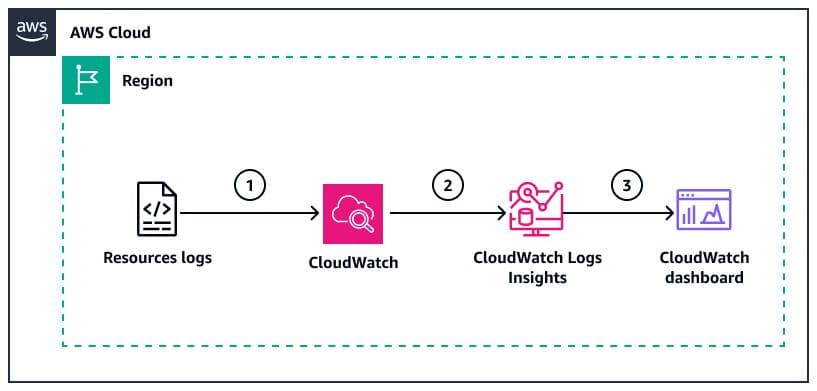
CloudWatch is a monitoring and logging service that tracks application performance and system health.
- Real-time monitoring
- Alerts and alarms
- Log analysis
Example: Monitoring CPU usage of servers and triggering alerts.
8. Elastic Load Balancer (ELB)
ELB distributes incoming traffic across multiple servers to ensure high availability and performance.
- Load balancing
- High availability
- Health checks
Example: Distributing traffic across multiple backend servers.
9. Amazon DynamoDB
DynamoDB is a fully managed NoSQL database service designed for high performance and scalability.
- Millisecond latency
- Highly scalable
- Serverless database
Example: Storing session data or real-time application data.
10. Amazon SQS (Simple Queue Service)
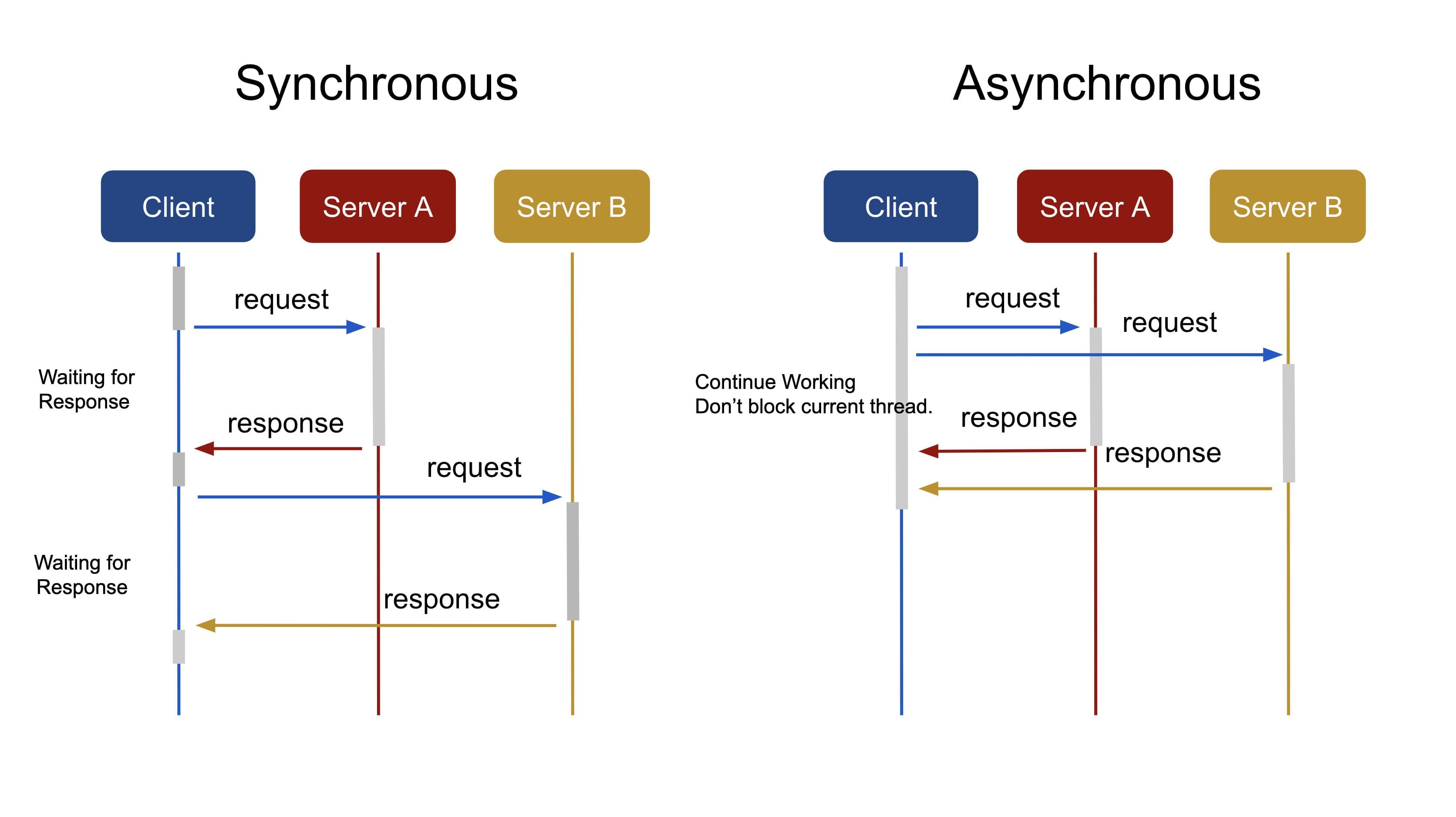
SQS is a message queue service that helps decouple application components and enable asynchronous processing.
- Reliable messaging
- Scalable queue system
- Supports asynchronous workflows
Example: Processing orders or background jobs.
How These Services Work Together
In a real-world system, multiple AWS services work together. For example, an application may use EC2 for hosting, RDS for database, S3 for storage, CloudFront for delivery, and SQS for background processing.
Final Thoughts
AWS provides a powerful ecosystem of services that enable developers to build scalable and reliable applications. Understanding these core services is essential for system design, cloud development, and technical interviews.
By combining these services effectively, you can design modern cloud-based applications that handle millions of users efficiently.